




Atreon Orthopedics® and RenovoDerm® Announce Merger

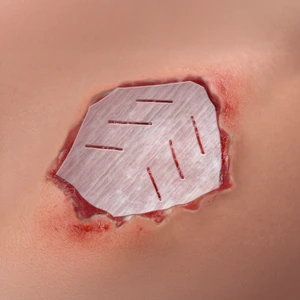
Positions Synthetic Portfolio as a Leading Solution for Tissue Repair and Remodeling in Substantial Markets Enables Autobiologic™ Platform Technology to Scale across Procedures, Specialties & Care Settings DUBLIN, OH — May 19, 2026 — Atreon Orthopedics, LLC and RenovoDerm, LLC have merged, uniting two high-growth, market-disrupting companies in a shared mission to deliver synthetic biomaterials for tissue repair and remodeling. The combined organization, Atreon Orthopedics®, Inc., brings together synergistic technologies, clinical & tissue-engineering expertise, and organizational scale, with multiple surgical platforms to fuel long-term growth. Key strengths of the merged companies include: “This merger accelerates our ability to transform how surgeons approach the complexities of achieving durable tissue repair,” said Ronald Bracken, Chief Executive Officer, Atreon Orthopedics. “By combining Atreon’s leadership in tendon-to-bone healing with RenovoDerm’s advancements in complex wound reconstruction, we are creating a powerful platform that elevates performance, consistency and clinical versatility in a vast array of surgical applications.” The Company’s synthetic scaffolds are precision engineered to optimize the cellular microenvironment, promote organized native tissue remodeling, and deliver stronger, more consistent long-term outcomes. RenovoDerm’s PHOENIX Wound Matrix®, a next-generation synthetic matrix designed for complex and chronic wounds, complements Atreon’s bio-inductive scaffolds, which have demonstrated reliable tendon-to-bone healing in rotator cuff repair and other orthopedic applications. Together, the technologies establish a scalable platform capable of addressing the unique demands of diverse tissue environments and achieving consistent healing performance. The Company is focused on expanding clinical evidence, accelerating product development, and strengthening its commercial reach. “Our shared vision is to move beyond traditional augmentation and toward true biologic orchestration,” said Mr. Bracken. “Traditional products often fail to address biologic gaps and industry shortfalls as surgeons seek a reliable solution that enables predictable, durable tissue repair without the risk of persistent inflammation or potential complications. Our Autobiologic portfolio offers a consistent and flexible solution to meet diverse surgical needs and enable broad market adoption. By uniting our teams and technologies, we are building a platform that supports surgeons across specialties and sets the stage for future innovation.” About Atreon Orthopedics Atreon Orthopedics designs synthetic biomaterials that work seamlessly with the body’s natural repair process. The Company’s portfolio of Autobiologic™ matrices is engineered to optimize the cellular microenvironment, promote native tissue remodeling and deliver stronger, more reliable long-term outcomes. Its flagship technology, ROTIUM® Bioresorbable Wick, supports reliable tendon-to-bone integration and is used across a range of musculoskeletal and orthopedic procedures. Atreon aims to establish their purpose-built Autobiologic™ synthetic platform as the leading solution in tissue repair and remodeling. For more information, please visit www.atreonortho.com and follow us on LinkedIn. About RenovoDerm RenovoDerm is a regenerative medicine company focused on the development and manufacture of scientifically engineered synthetic polymer technologies to help advance clinical practice, improve patient outcomes and reduce the overall cost of care. The Company offers a portfolio of advanced products that enhance tissue regeneration and promote rapid and definitive wound healing, indicated for use in all full- to partial-thickness wounds. Contact Hilary Dixonhdixon@atreonortho.com(614) 602-1852 Kelly Hendrixkhendrix@atreonortho.com(614) 429-1471 Check out the official press release HERE!
Atreon Orthopedics Expands Team with Area Sales Leadership
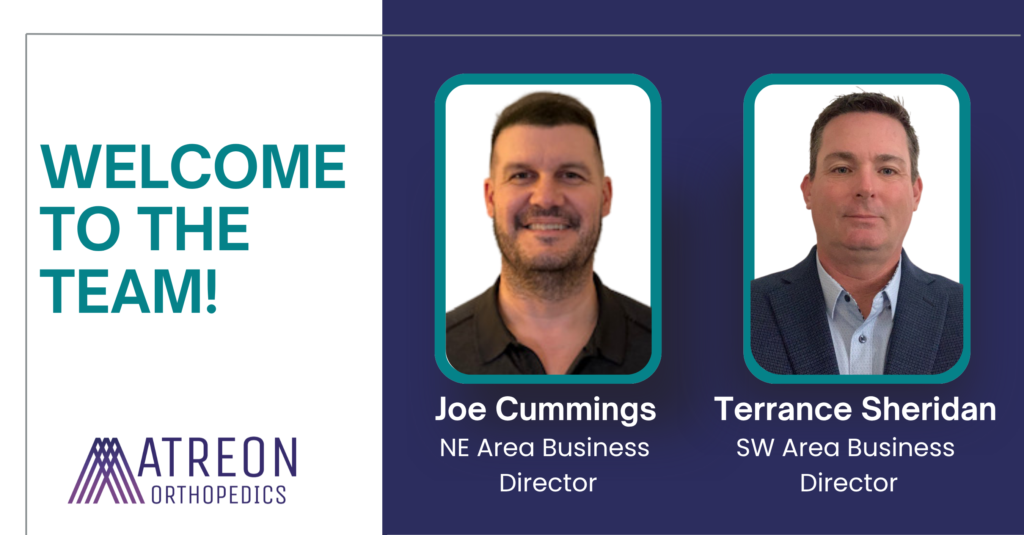
Strengthening Leadership to Support Growth Atreon Orthopedics is excited to announce the expansion of our team with the addition of two new Area Sales Directors. As we continue to grow and bring innovative solutions to the orthopedic community, investing in experienced leadership remains a key priority. Please join us in welcoming Joe Cummings and Terrance Sheridan, whose expertise will help support surgeons and healthcare partners across their respective regions. Welcoming Joe Cummings – NE Area Business Director Joe Cummings joins Atreon as Northeast Area Business Director based in Bethlehem, Pennsylvania, bringing over a decade of experience in orthopedics. His background spans joint replacement and soft tissue repair across both upper and lower extremities, along with extensive expertise in wound care. Joe’s experience includes work in limb salvage, trauma, plastics, and burn—providing him with a well-rounded clinical perspective that aligns with Atreon’s focus on improving healing environments. Outside of work, Joe enjoys golfing, giving back through charity initiatives, and supporting youth, high school, and collegiate athletics. Welcoming Terrance Sheridan – SW Area Business Director Terrance Sheridan joins the team as Southwest Area Business Director based in Phoenix, Arizona, with more than 15 years of experience in reconstruction and sports medicine sales. He brings a strong track record of developing high-performing teams, building lasting customer partnerships, and driving meaningful impact across healthcare organizations. His sales leadership experience will play an important role as Atreon continues expanding its footprint in key markets. Outside of work, Terrance is a proud father of three active children and enjoys golfing whenever he can find the time. Expanding Access to Orthopedic Innovation The addition of Joe and Terrance reflects Atreon’s continued commitment to growth and to supporting surgeons with solutions designed to enhance the biologic environment during tendon repair. As a company focused on advancing tissue healing, Atreon combines AutobiologicTM scaffold technology with a strong commercial team dedicated to education and clinical support. Strengthening our field leadership allows us to better serve surgeons and healthcare systems across the country. Learn more about Atreon’s mission and technology platform here: Looking Ahead We’re thrilled to welcome Joe and Terrance to the Atreon team and look forward to the leadership, experience, and energy they bring. As we continue to grow, our focus remains on supporting the orthopedic community, advancing biologic healing approaches, and improving outcomes for patients undergoing tendon repair procedures.
Atreon Orthopedics at Shoulder360: Advancing Rotator Cuff Healing
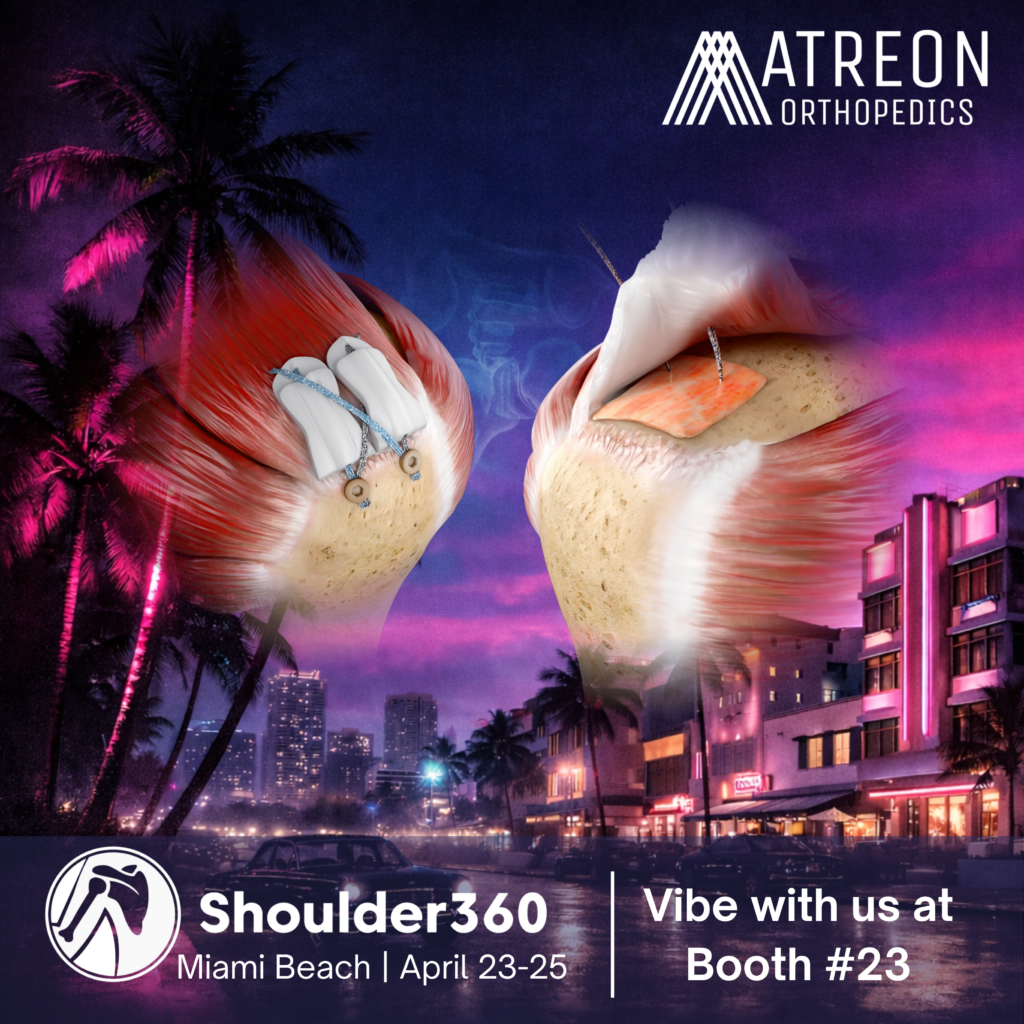
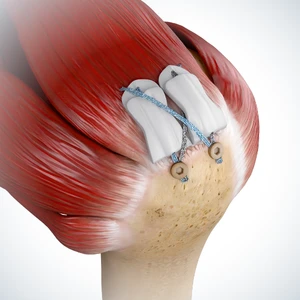
Atreon Orthopedics Heads to Shoulder360 April 23-25, 2026 Atreon Orthopedics is heading to Shoulder360 in Miami Beach—one of the most unique (and most fun) meetings in orthopedics. This isn’t your typical conference. With this year’s “Shoulder Mafia” theme, Shoulder360 blends world-class education with an atmosphere that feels more like a medical device Olympics meets Miami social scene. From the competitive energy on the exhibit floor to the packed social events and after-hours conversations, Shoulder360 creates a setting where collaboration happens naturally and ideas move fast. It’s a meeting where surgeons and industry don’t just present—they interact, challenge each other, and build real relationships. For Atreon, it’s an opportunity to connect with surgeons who are actively shaping the future of rotator cuff healing—while being part of one of the most engaging and memorable experiences in shoulder surgery! Driving Innovation in Rotator Cuff Repair Rotator cuff repair continues to evolve as surgeons seek solutions that address not only mechanical fixation but also the biologic challenges of healing. Atreon Orthopedics is focused on supporting this shift through technologies designed to enhance the biologic environment. Our key products within the shoulder platform includes both the ROTIUM® Bioresorbable Wick and BioCharge® Autobiologic Matrix, complementary technologies designed to support healing at different points of the repair: Together, these technologies enable a comprehensive biologic approach to rotator cuff repair. Enter BioStack: A Comprehensive Biologic Approach Atreon is currently the only company offering a dual-sided biologic strategy for rotator cuff repair—known as BioStack. BioStack enables surgeons to address both sides of the repair construct: This approach is designed to support the overall healing environment surrounding the repair, while integrating seamlessly into existing surgical techniques. Additionally, BioStack offers a cost-conscious solution without the need for additional fixation, disposables, or added instrumentation, aligned with the needs of ambulatory surgery centers and hospitals—balancing innovation with efficiency. Stop by Booth #23: Innovation Meets Experience This year at Shoulder360, we’re not just bringing innovation—we’re bringing an experience. 👉 Visit Atreon at Booth #23 to: Let’s connect, share insights, and continue advancing the future of shoulder surgery—together. Join Us at Shoulder360!
Improving Tendon Repair Outcomes: Rethinking the Role of the Biologic Environment
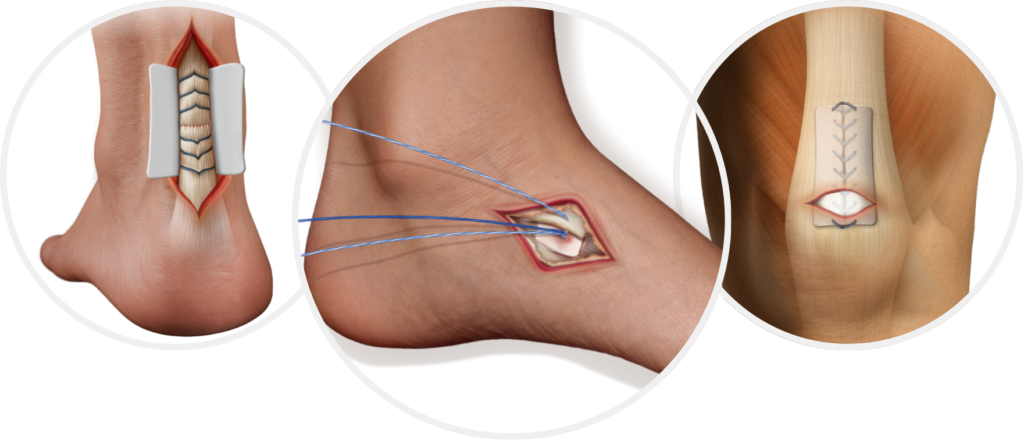
Tendon repair techniques have advanced, yet failure rates remain a challenge, especially in high-demand or biologically compromised patients. While fixation has improved, biology—not just mechanics—often determines long-term success. 👉 When should you augment a tendon repair—and how does it impact the biologic environment? This guide highlights key clinical applications across the knee and foot & ankle, with an emphasis on optimizing the biologic environment for healing. The Biologic Gap in Tendon Healing Tendon-to-bone healing is inherently complex. Even with strong fixation, healing often occurs through scar tissue rather than native enthesis, which can compromise durability (Pugliese et al., 2024). Common challenges: Augmentation, when used effectively, helps optimize the biologic environment—not just reinforce the repair. Not All Augmentation Is Created Equal Many solutions—especially collagen-based products—act as onlay patches, supporting the tendon surface but not necessarily the tendon-to-bone interface, where failure often occurs. In contrast, synthetic scaffolds, such as ROTIUM® Bioresorbable Wick are designed to: It’s important to consider not just when to augment, but how it influences healing. When to Consider Augmentation Augmentation is commonly considered in: Knee Applications In the knee, augmentation is most relevant in tendon repairs under high load. In ACL reconstruction, for example, some surgeons are exploring the use of interpositional scaffolds, such as ROTIUM®, placed around the graft within the tunnel to support the biologic environment at the tendon-to-bone interface. Other common scenarios: Consider augmentation when: In these settings, strategies that emphasize biologic environment optimization at the interface may be particularly valuable. Foot & Ankle Applications Foot & ankle procedures face high loads and biologic limitations, making healing less predictable. Achilles Tendon Repair Consider augmentation in: Kidner Procedure Relies on tendon-to-bone integration Augmentation may support: Applying Augmentation Through Biologic Environment Optimization Augmentation is shifting from structural support to biologic strategy. Technologies like ROTIUM® bioresorbable scaffold function as an interpositional wick, placed at the repair interface to: This shift—from augmenting repairs to influencing how healing occurs—is becoming increasingly relevant across knee and foot & ankle procedures. Success depends not only on when augmentation is used, but how it supports the biologic environment at the tendon-to-bone interface. Ultimately, the quality and durability of healing are driven as much by biology as by fixation. References
Rotator Cuff Augmentation: Reinforcing Repair with an Integrated Biologic Scaffold
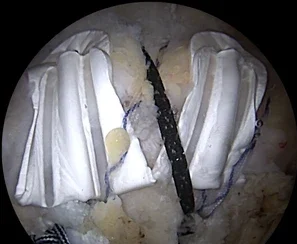
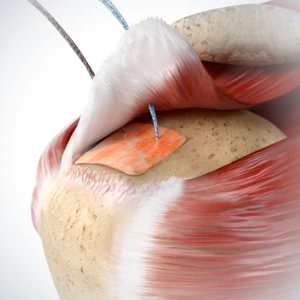
Rotator cuff repair techniques have advanced significantly, yet healing failure after surgery remains a common challenge. Even with modern arthroscopic fixation and double-row constructs, healing ultimately depends on the biologic environment of the repaired tendon. For surgeons managing larger tears, compromised tissue quality, or revision repairs, augmentation strategies are becoming an increasingly important part of the treatment algorithm. Arthroscopic rotator cuff repair has become the standard of care for symptomatic full-thickness tears and cases that fail nonoperative treatment. However, despite advances in surgical techniques and fixation technology, retear rates can still range from roughly 20% to 90% depending on tear size and repair strategy. These persistent challenges have driven increasing interest in rotator cuff augmentation techniques, particularly the use of scaffold implants designed to reinforce the repair and support biologic healing. Why Rotator Cuff Repairs Sometimes Fail Traditional rotator cuff repairs primarily address the mechanical fixation of tendon to bone using sutures and anchors. While this provides strong initial stability, successful healing ultimately depends on the biologic response of the tendon. Several factors can compromise healing, including: One of the most common failure mechanisms occurs when sutures cut through weakened tendon tissue, leading to loss of fixation before the tendon has fully healed. Because of this, many surgeons are exploring augmentation strategies that reinforce the repair construct while supporting the biologic healing environment. How Biologic Scaffolds Support Rotator Cuff Healing Biologic scaffolds are designed to provide a temporary structural matrix that interacts with the body’s natural healing processes. Synthetic grafts used in rotator cuff augmentation have been shown to demonstrate biomechanical properties similar to native rotator cuff tendon, including comparable stiffness and maximal load to failure. When used during repair, scaffold implants may help: Surgeons interested in the underlying scaffold design principles can explore the science behind Atreon’s tendon healing technology. BioCharge® Autobiologic Matrix for Rotator Cuff Augmentation One augmentation option is BioCharge® Autobiologic Matrix, a bioresorbable synthetic scaffold engineered with PGA & PLCL that mimics the native ECM. Designed as a bioinductive scaffold that promotes cellular activity and collagen remodeling by wicking the patient’s own biologic factors to the repair site, the scaffold supports the native healing process of the tendon. The implant is positioned on the bursal side of the tendon, where it reinforces the surface of the repaired cuff and supports healing at the tendon–suture interface. BioCharge is designed to: Learn more about the implant and surgical workflow on the BioCharge Autobiologic Matrix product page. Visualizing the BioCharge Technique To help surgeons visualize the procedure, Atreon Orthopedics has developed a surgical animation demonstrating BioCharge augmentation during rotator cuff repair. Surgical Technique: Augmented Double-Row Rotator Cuff Repair A recently published surgical technique describes how BioCharge can be incorporated into a double-row arthroscopic rotator cuff repair. The procedure begins with standard arthroscopic evaluation of the shoulder joint followed by entry into the subacromial space. After bursectomy and visualization of the tear, the rotator cuff footprint is prepared until adequate bone bleeding is achieved to promote healing. Once the medial row anchors are placed and sutures are passed through the tendon: The final repair creates a double-row construct with BioCharge augmentation, increasing footprint compression while allowing the scaffold to wick local biologic factors into the repair environment. Improving Biologic and Mechanical Healing in Rotator Cuff Repair Rotator cuff surgery continues to evolve beyond mechanical fixation alone. Increasingly, surgeons are focusing on the biologic environment surrounding the repair, recognizing that tendon healing depends on both structural stability and cellular activity. Tools like the Rotator Cuff Healing Index (RoHI) help surgeons identify higher-risk cases where healing may be compromised. In these situations, augmentation technologies such as BioCharge Autobiologic Matrix may help reinforce the repair and support the biologic healing process. Atreon Orthopedics continues to develop technologies designed to improve tendon healing from multiple biological perspectives. In addition to BioCharge, the ROTIUM® Bioresorbable Wick supports healing at the tendon-bone interface during rotator cuff repair. References Disclaimer BioCharge® Autobiologic Matrix is intended for use as an adjunct to surgical rotator cuff repair. Surgeons should consult product labeling and instructions for use before implantation.
Augmentation of the Quad Tendon Harvest Site with ROTIUM® During ACL Reconstruction
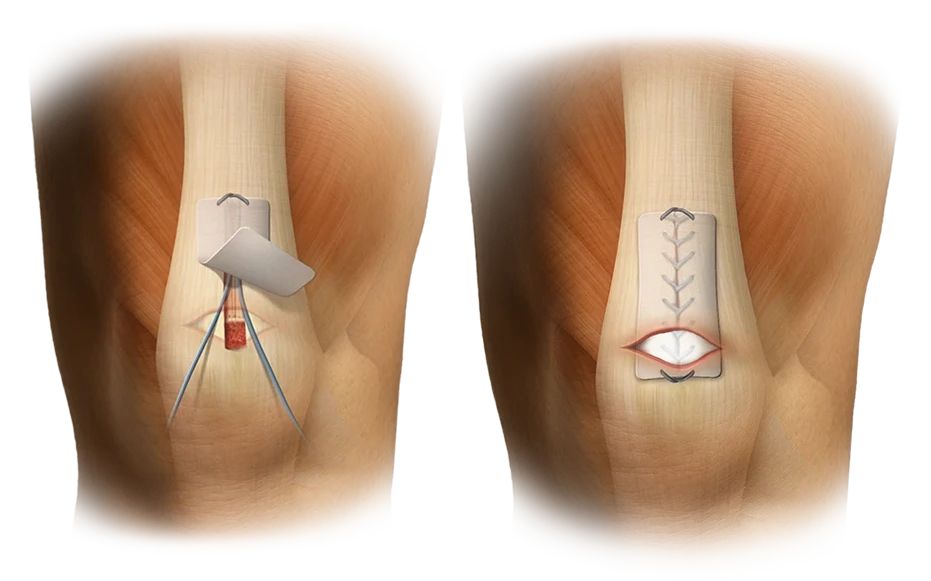
Why Quad Tendon Healing Matters in ACL Reconstruction In ACL reconstruction using a quadriceps tendon autograft, clinical focus often centers on graft placement and tunnel fixation. Yet, the healing of the quad tendon donor site plays a key role in patient recovery, impacting pain, strength, and long-term functional outcomes. While quadriceps tendon autografts are associated with favorable morbidity profiles compared to bone–patellar tendon–bone or hamstring grafts, they are not complication-free. Peer-reviewed studies and clinical registries have reported: Biologic Rationale for ROTIUM in Quad Tendon Repair ROTIUM® Bioresorbable Wick is a 100% synthetic, nanofiber scaffold developed to support tendon and tendon-bone healing. Initially FDA-cleared for rotator cuff repair, ROTIUM has gained expanded clearance for use in a broad range of acute and chronic tendon repairs, including the knee. ROTIUM is designed to: The unique electrospun matrix mimics the native ECM structure of healing tendon and resorbs over time, leaving behind natively remodeled tissue—not scar. Technique Integration: Dr. Golan’s Approach In a VuMedi technique video, Dr. Elan J. Golan demonstrates how to incorporate ROTIUM into ACL reconstruction without disrupting workflow: Clinical Insight Early healing support is especially relevant in athletes, revision cases, or patients with impaired biology. ROTIUM is engineered to optimize the environment where healing begins. Its use may be particularly valuable in helping reduce variability in recovery timelines, especially where strength restoration and graft protection are priorities. Importantly, the scaffold integrates easily into existing workflows and does not add meaningful surgical time or complexity. 🔗 Internal Links 🌐 External Links
Transforming Tendon Healing in High-Stakes Foot & Ankle Repairs
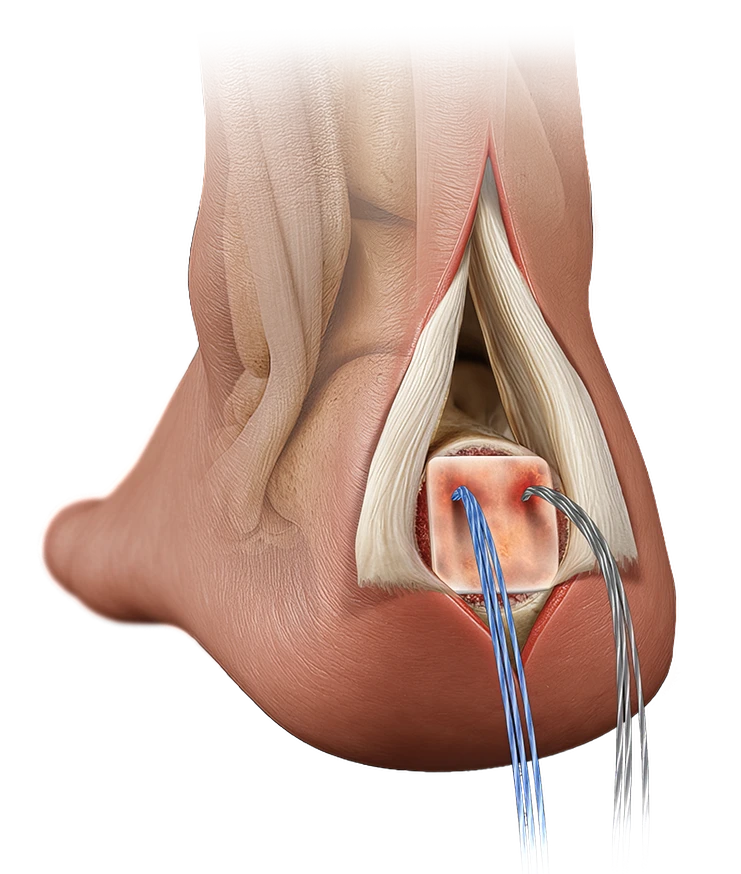
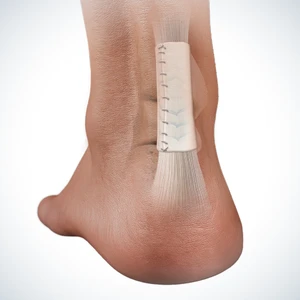
The Biologic Challenge in Foot & Ankle Tendon Healing Tendon injuries in the foot and ankle, especially those involving the Achilles or posterior tibial tendon, are among the most difficult to treat. Even with precise surgical technique, outcomes can be undermined by rerupture, chronic pain, delayed healing, or wound complications — issues that are magnified in patients with comorbidities such as diabetes, obesity, or vascular insufficiency. These data underscore the need for biologic support that can assist tendon healing from the inside out. In a recent virtual clinical discussion hosted by the Journal of Orthopaedic Experience & Innovation‘s “Open Mic Night”, surgeons reflected on how comorbidities impact their practice today. Dr. Dan Bhakta, a prominent foot & ankle specialist in Arlington, TX, stated that diabetes, weight, and smoking all contribute to challenges in patient care and biologic healing. He emphasized the need for studies and usage of new technologies that aim to improve and optimize healing for foot & ankle surgeries. ROTIUM®: A Scaffold Designed to Support Healing ROTIUM® is a 100% synthetic, bioresorbable scaffold designed to augment biologic healing by mimicking the structure and function of native extracellular matrix (ECM). It creates a supercharged environment for cellular activity: ROTIUM® is engineered to promote the RIGHT environment for the body to heal. Clinical Use Cases in Foot & Ankle Surgery ■ Achilles Tendon Repair (Insertional Achilles Repair + Haglund’s Deformity) In delayed or chronic Achilles ruptures, or in high-risk patients, healing capacity is often limited. Using ROTIUM® as an interpositional scaffold following Haglund resection can be beneficial when reattaching tendon to bone, which carries risks of failure or poor integration. In insertional repairs, an onlay or wrapped application of ROTIUM® can support local biologic activity and add support to the tendon for improved integration. ■ Posterior Tibial Tendon Reattachment in the Kidner Procedure The Kidner procedure (excision of accessory navicular + advancement of posterior tibial tendon) is a tendon-to-bone repair that may benefit from biologic scaffold support. ROTIUM® can be placed at the reattachment site to create a favorable environment for tendon-bone healing, especially in revision or high-demand cases. ■ Other Tendon Repairs or Transfers (Flatfoot, Cavus Foot, etc.) In complex deformity reconstructions involving tendon transfers, augmentation with ROTIUM® may assist in cases with poor tissue quality and the need for enhanced biologic remodeling Why a Synthetic Scaffold in Foot & Ankle? ROTIUM® offers a biologic edge in healing environments where intrinsic recovery is impaired and the design rationale is well-matched to the biologic demands of foot & ankle repairs. While more research is needed, ROTIUM® presents a safe, low-profile, and high-potential option with nearly 20k cases performed in tendon repairs. References Internal Links External Links
Addressing the Burden of Rotator Cuff Injury in Veterans: A Call for Smarter Surgical Solutions

The Unique Challenge of Shoulder Repair in Veterans Military service members and veterans face distinct orthopedic challenges due to the intense physical demands of their occupations. Studies show elevated rates of shoulder pathology in these populations, often stemming from trauma, repetitive overhead activity, or load-bearing tasks. The veteran population also presents unique surgical risks, including higher rates of diabetes, cardiovascular disease, and smoking history, all of which complicate recovery. In one study, military personnel undergoing shoulder arthroscopy had a 38.6% incidence of SLAP lesions, compared to just 11.1% in civilian patients—despite adjustments for trauma and instability history. This elevated risk highlights the long-term musculoskeletal toll of service and underscores the complexity of surgical decision-making in this group. These findings are echoed in more recent data showing posterior shoulder instability disproportionately affects younger, active-duty males, with far-reaching implications for post-service care and long-term function (Owens BD et al. J Bone Joint Surg Am. 2009;91(4)). Chronic shoulder instability—especially when unaddressed—can alter joint mechanics and place abnormal stress on the rotator cuff, increasing the risk of tendon degeneration and eventual cuff disease. Given these elevated risks and the biologically complex environment of injured veteran shoulders, biologic augmentation may play an increasingly valuable role in reinforcing repairs and improving healing outcomes. The field of shoulder repair has made substantial strides, from improved arthroscopic instrumentation to stronger fixation techniques. However, even with these mechanical advancements, poor biologic healing remains a persistent challenge—especially in high-risk patients like veterans—one that Atreon continues to address through focused biologic innovation. Biologic Augmentation Has a Role to Play Veterans often face compromised soft tissue quality, particularly at the tendon-suture interface, a known weak point in rotator cuff repair. Biologic augmentation technologies like ROTIUM® and BioCharge™ are designed to enhance the biologic healing environment. While not a cure-all, these materials aim to: These properties may offer special value in high-risk populations where healing capacity is compromised. A Shared Mission: Supporting Better Healing for Those Who Served Veterans Day is an opportunity to reflect on the clinical needs of those who served and ensure our surgical approaches meet the demands of this high-risk population. Atreon Orthopedics supports orthopedic surgeons, both VA-focused and civilian patient-focused, who strive to deliver the best possible outcomes for their patients. Through evidence-backed technologies and continued innovation in biologic augmentation, we remain committed to supporting smarter surgical care. Further Reading & Clinical Data
How Augmentation May Reduce the Economic Burden of Revision Rotator Cuff Surgery
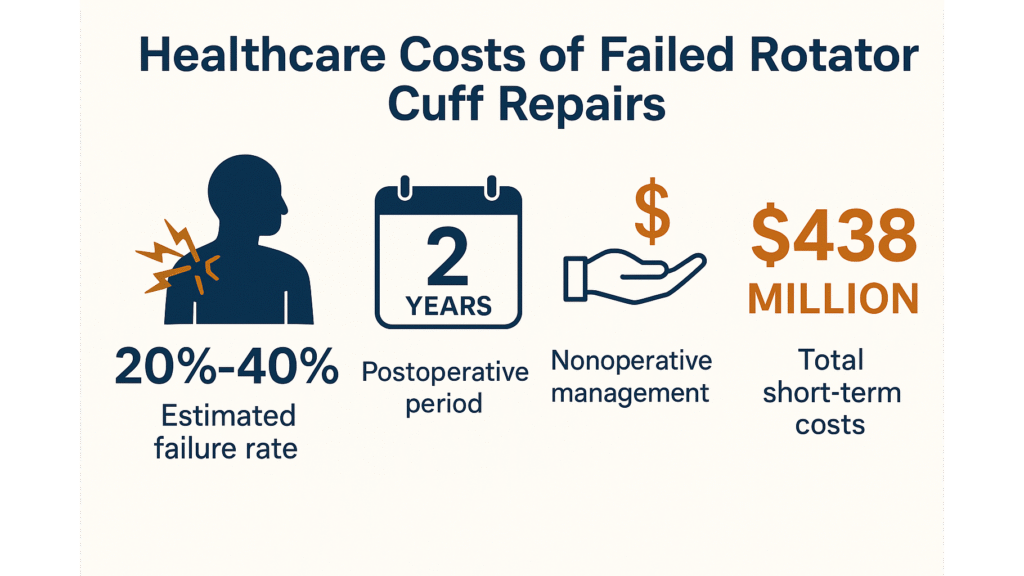
Rotator cuff repair (RCR) is one of the most commonly performed orthopedic procedures in the United States. While generally successful, structural failures still occur in up to 40% or more of patients, depending on tear size, tissue quality, and comorbidities. These failures can not only result in expensive downstream treatments, including repeat imaging, extended rehabilitation, and revision surgery, but also reduced functional improvements. In fact, patients with intact repairs tend to experience better functional outcomes and strength compared to those who suffer retears—outcomes that not only impact patient quality of life, but also influence downstream healthcare utilization and associated costs. Angerett et al., 2024 The Short-Term Economic Cost of Failure A 2023 economic analysis estimated that failed RCRs performed in the U.S. in 2022 alone could generate over $438 million in downstream healthcare costs over two years. Of that, $229 million was attributed to nonoperative care following clinical failure, while revision surgeries added another $127 million in cost. Young et al., 2023 With failure rates hovering between 20% and 40% depending on patient and surgical factors, the need to improve biologic healing at the tendon-bone interface has become a clinical and economic imperative. Why Biologic Augmentation Matters Traditional approaches to RCR have focused on mechanical fixation. But many failures stem not from anchor pullout, but from poor biologic healing between tendon and bone. This is where biologic augmentation comes into play. Technologies like the ROTIUM® Bioresorbable Wick and BioCharge® Autobiologic Matrix are designed to optimize the biologic environment where it matters most: Both implants are fully synthetic, bioresorbable, and designed to integrate seamlessly into standard repair workflows without adding surgical time or requiring special instruments. As Autobiologic implants, they work by concentrating, preserving, and promoting the patient’s own healing biology—rather than introducing donor tissue — and function as bioinductive scaffolds, encouraging native tissue remodeling at the repair site. Clinical and Economic Implications By enhancing the biologic healing cascade, these scaffolds may help reduce the likelihood of structural failure, which in turn could decrease the need for costly revisions. Cost-effectiveness analyses of similar biologic augmentations (e.g. ECM patches) show ICERs under $15,000/QALY, well below common willingness-to-pay thresholds. Surgeons report the highest ROI when augmentation is used in large tears, revision cases, or biologically challenged patients (e.g. smokers, diabetics, older adults). In such cases, the biologic gap is wide—and the cost of failure is even higher. Importantly, unlike many collagen-based patches, ROTIUM® and BioCharge® do not require additional instrumentation or costly disposable devices. Their design integrates directly into existing surgical workflows, minimizing added OR time, expense, and complexity. This makes them a more cost-effective option for biologic augmentation, especially in cost-sensitive settings like ASCs. Conclusion Reducing failure rates isn’t just good medicine, it’s good economics. As healthcare systems move toward value-based models, biologic augmentation offers a path to better outcomes at sustainable cost. And with technologies like ROTIUM® and BioCharge®, that path is already in reach. Internal Links References
Biology Without the Baggage: The Synthetic Scaffold Advantage
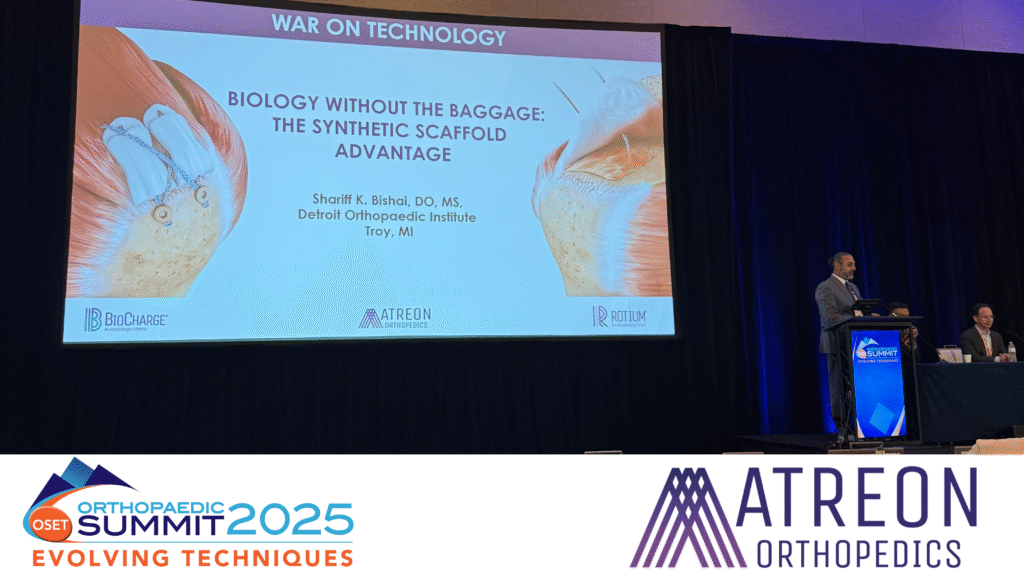
Synthetic Scaffold Advantage in Rotator Cuff Repair, Featuring Dr. Shariff K. Bishai at OSET 2025 Why Synthetic Scaffolds Are Gaining Ground in Shoulder Surgery At the 2025 Orthopedic Summit (OSET) in Las Vegas, Dr. Shariff K. Bishai delivered a compelling presentation titled “Biology Without the Baggage: The Synthetic Scaffold Advantage.” As part of the conference’s “War on Technology” track, his talk spotlighted the evolving conversation around biologic augmentation in rotator cuff repair, particularly the role of synthetic scaffolds as an emerging option. Many in the field see biologic augmentation as a promising approach to address the underlying healing deficiencies that persist when repairs fail. Data from a 600+ patient cohort highlights how variables like tear size, age, tissue quality, and revision status can drastically increase the risk of retear. For “at-risk” patients—those scoring 4–10 on the ROHI scale, enhancing the healing environment at the enthesis may support improved healing outcomes in appropriate patients, based on early clinical data (Kwon, 2018). Limitations of Dermal Allograft Augmentation Dermal patches have long been used in augmentation of massive or revision rotator cuff repairs. While intended to provide structural support and reduce tension at the repair site, these grafts come with challenges: According to a recent publication, 70 months after implantation, the dermal allograft used in SCR failed to remodel into normal tendinous tissue, showing persistent acellularity and randomly oriented collagen rather than tendon-like structure (Best, 2025). These factors can contribute to unpredictable outcomes, especially in procedures where consistency and efficiency are critical. The Tradeoffs of Collagen-Based Patches Collagen-based patches, often derived from bovine collagen, offer a biologic approach designed to stimulate healing through native signaling cues. However, concerns persist around: Multiple published studies have shown that in some cases, collagen-based bioinductive implants may not outperform standard repairs, prompting a closer look at their value in everyday surgical practice. One such study concluded, “At minimum 2-year follow-up, patients undergoing primary arthroscopic rotator cuff repair with bovine collagen implant augmentation had a greater proportion of reoperation due to inflammation and stiffness compared with patients who did not receive the implant.” (S, Umasuthan, 2025). Lippincott Journals A New Option: Synthetic Scaffolds with Purpose-Built Design Autobiologic vs. Bioinductive Healing Synthetic scaffolds like ROTIUM represent a new class of technology: autobiologic implants. Unlike bioinductive materials that introduce foreign biologic components (e.g., bovine collagen) to stimulate healing, autobiologic scaffolds work by leveraging the patient’s own healing factors—blood, cells, and cytokines—delivered directly to the tendon-bone interface or repair site. These implants do not carry donor or animal tissue but instead serve as a biologically inert conduit that promotes natural, localized tissue remodeling. Synthetic scaffolds represent a different strategy: replicating the mechanical and biologic support of the native extracellular matrix using engineered, fully resorbable materials. Benefits of this approach include: One such product is the ROTIUM® Bioresorbable Wick, an interpositional scaffold FDA-cleared for use in tendon repair, including rotator cuff augmentation. It’s a “biologic delivery device” for autologous healing factors directly at the tendon-bone interface, without requiring additional instrumentation or cumbersome delivery systems. Versatility Across All Tendon Repairs ROTIUM is FDA-cleared for use across a wide range of tendon repairs – not just in the shoulder – and can be placed at the tendon-bone interface in procedures involving the elbow, hip, knee, foot, and ankle. BioCharge is designed specifically for rotator cuff repair, where it uses a built-in suture tunnel that acts as a delivery mechanism. ROTIUM and BioCharge have been used in over 16,000 procedures to date (reflects accumulated usage, not clinical study volume). Clinical Implications and Takeaways In summary, synthetic scaffold technology offers surgeons a biologically active solution that’s reproducible, cost-effective, and simple to deploy, a valuable asset in both hospital and ASC settings. Learn More Explore Atreon’s ROTIUM Bioresorbable Wick or visit our Technology Overview to see how our scaffold platform is helping reshape tendon repair. External Links: References