

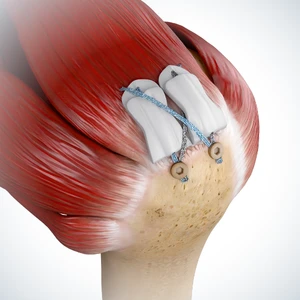

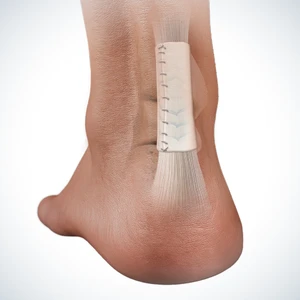

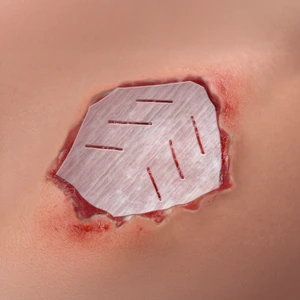

ROTIUM®, BioCharge® and Phoenix Wound Matrix® side by side showcasing Core Specs and Manufacturing Versatility.

Atreon’s Core Technology PLATFORM Addresses ​the Microenvironment

Designed to establish the optimal microenvironment for tissue repair and remodeling, promoting a universal healing response. Atreon’s core technology platform leverages electrospun synthetic nanofiber scaffolds engineered to enhance healing conditions and encourage native tissue instead of scar.

Mechanism of Action

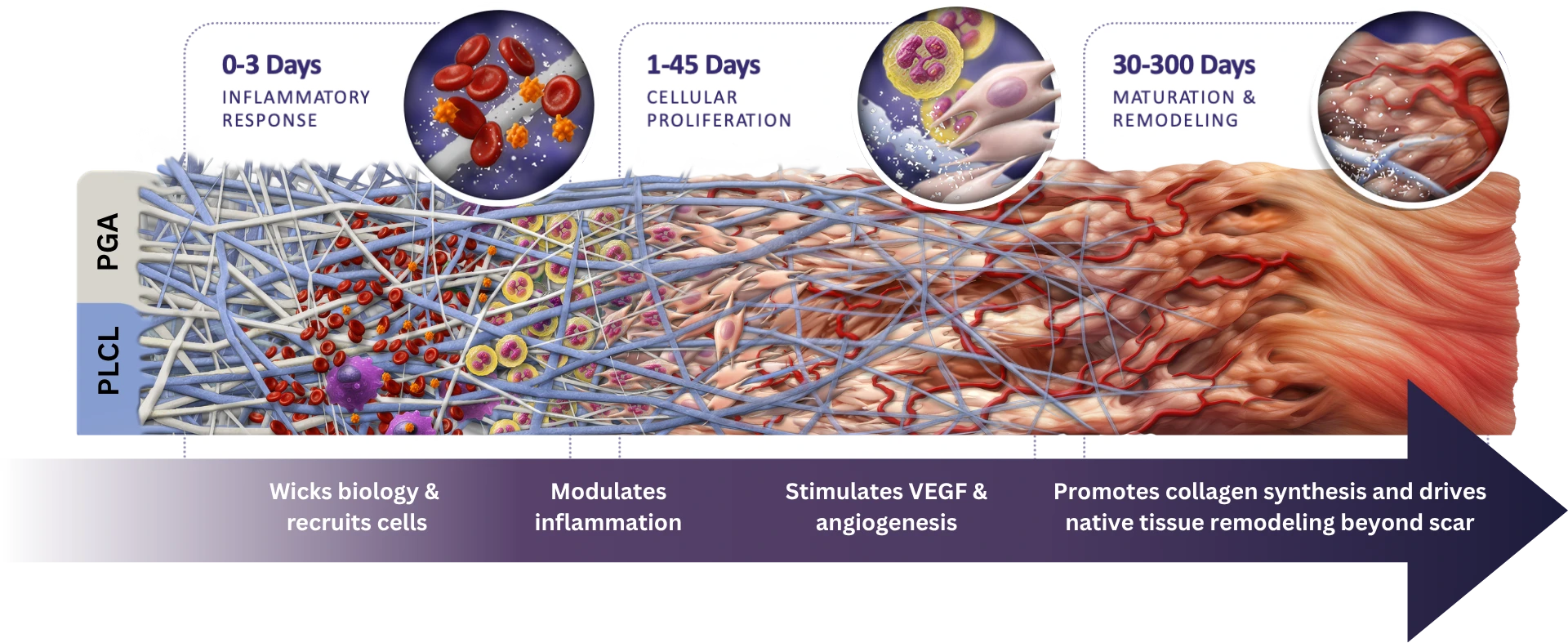
Timeline-style medical illustration showing tissue regeneration across three healing phases. On the left, a layered scaffold labeled PGA above PLCL is densely woven with fibers and populated by blood cells and immune cells under the heading “0–3 Days Inflammatory Response.” In the middle, labeled “1–45 Days Cellular Proliferation,” cells infiltrate the scaffold as new tissue and blood vessels begin forming. On the right, labeled “30–300 Days Maturation & Remodeling,” the scaffold gives way to organized pink tissue with branching red blood vessels. A large arrow along the bottom summarizes the progression: wicks biology and recruits cells, modulates inflammation, stimulates VEGF and angiogenesis, and promotes collagen synthesis and native tissue remodeling beyond scar.

Designed to wick and hold autologous biology – up to 469% of its weight

ROTIUM absorption of whole blood.

Structure that Supports Healing

ROTIUM mimics the body’s extracellular matrix (ECM) with a porous nanofiber design. It holds native growth factors at the repair site and creates an ideal environment for cells to attach, migrate, and multiply.

Serving as a physical and biological template for tendon remodeling
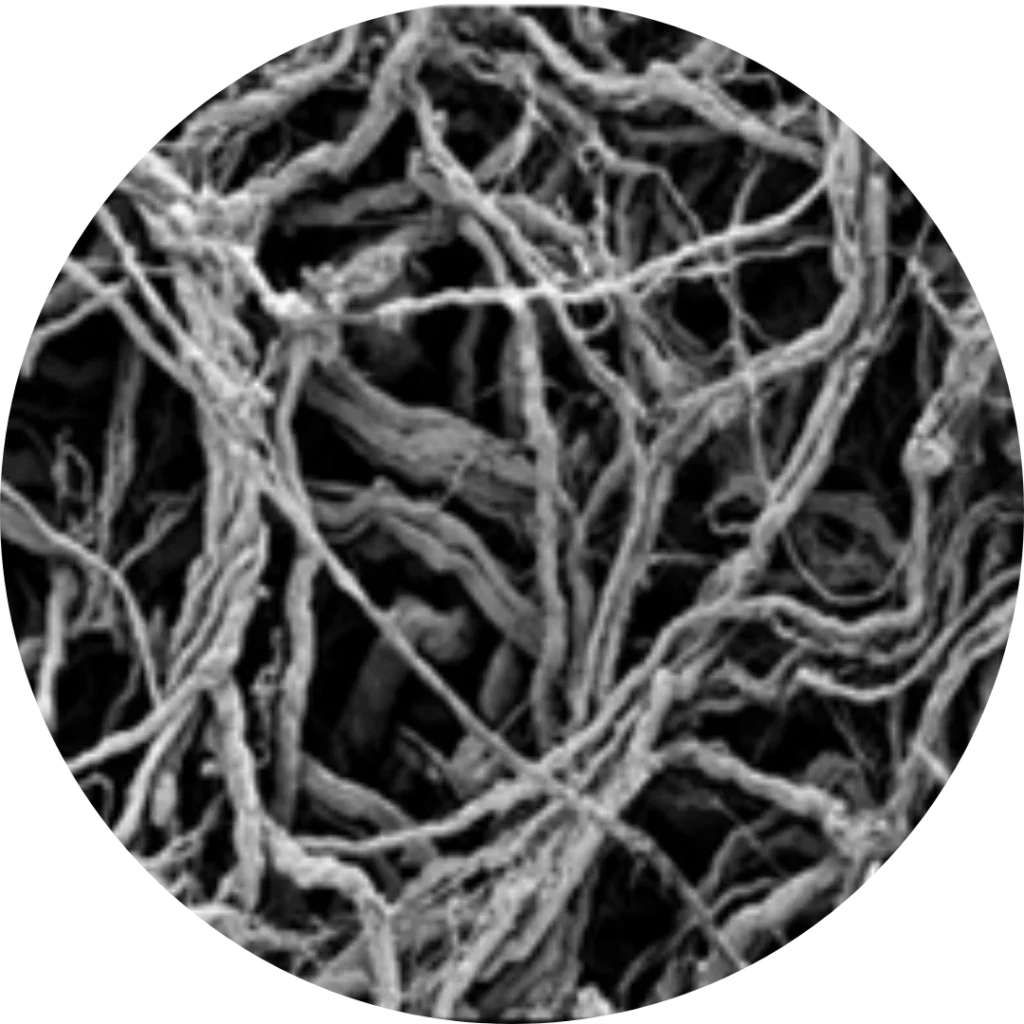
SEM image of native tendon ECM
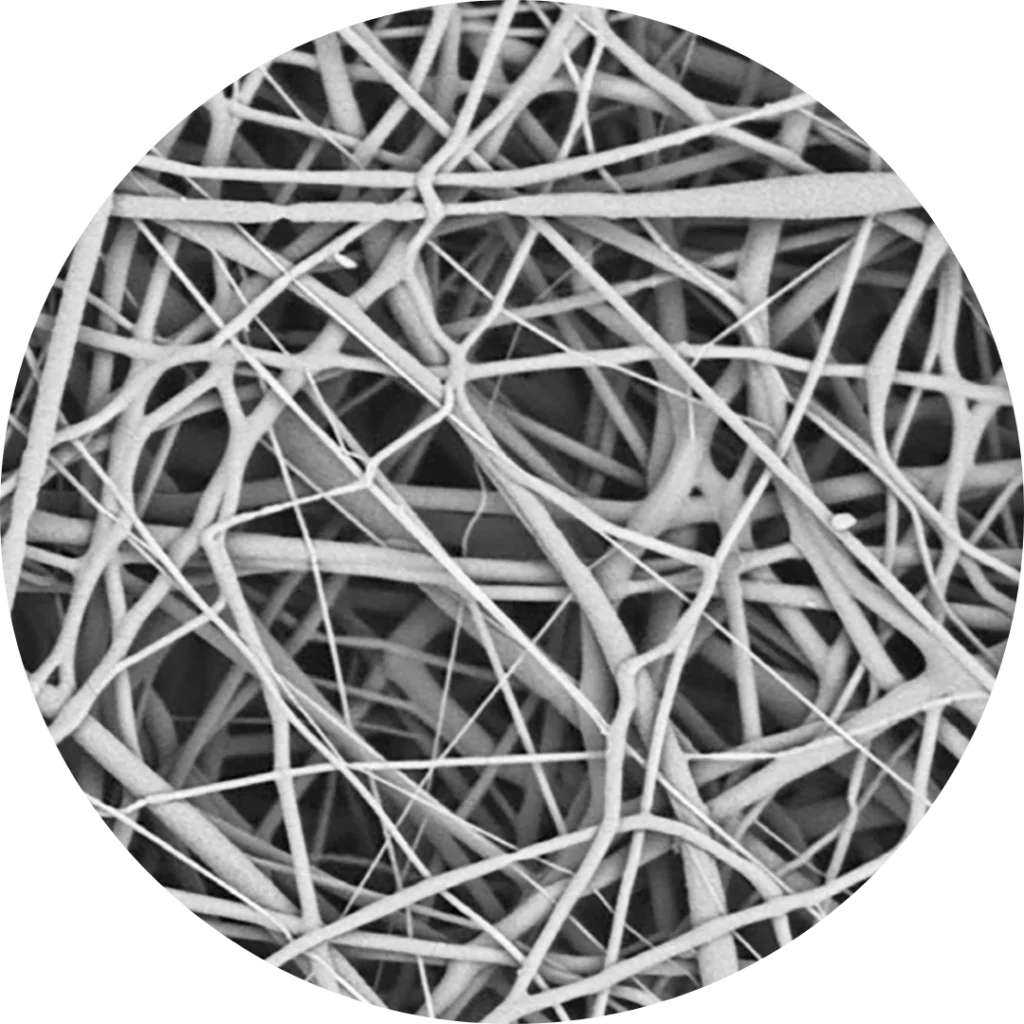
SEM image of native tendon ECM

SEM image of the ROTIUM® Wick

SEM image of the ROTIUM Wick

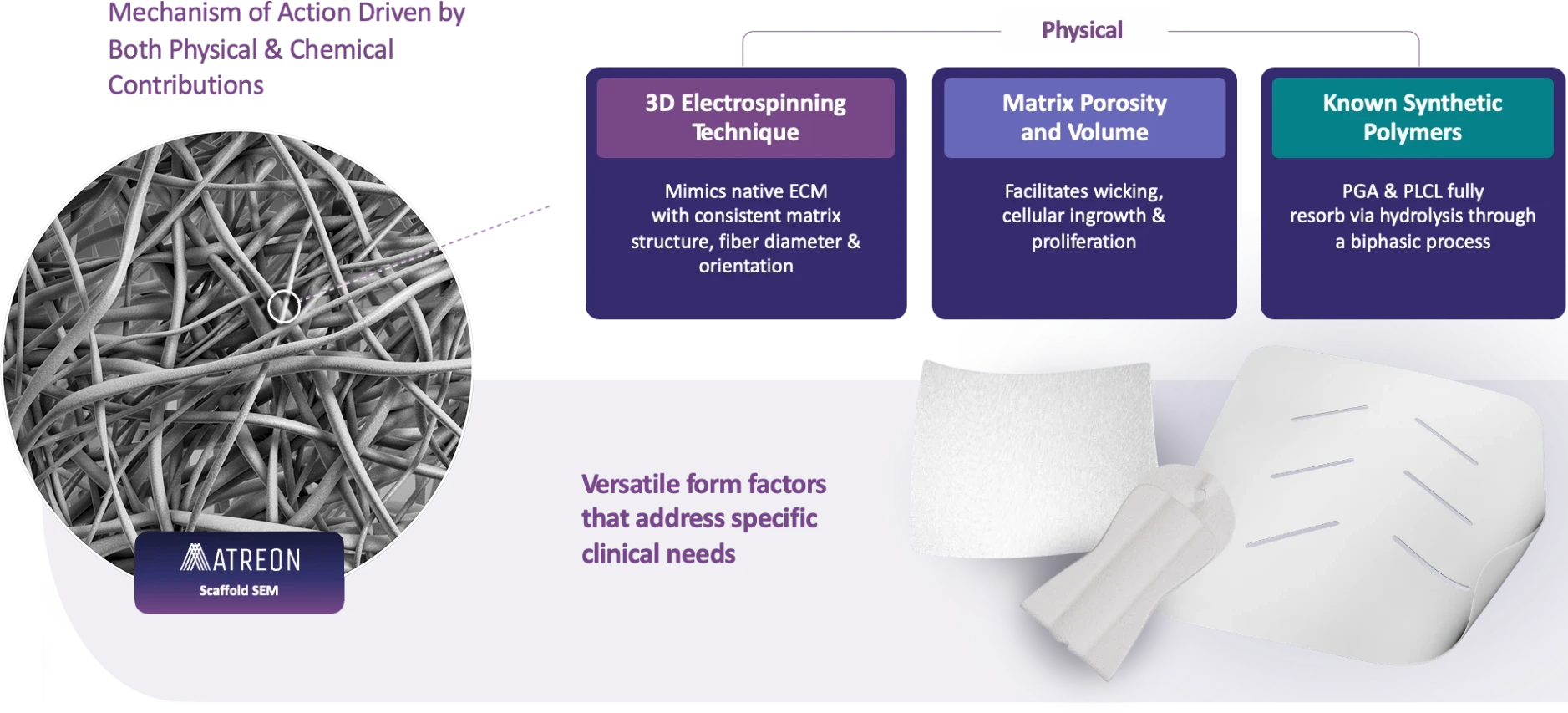
Slide with a gray and purple design titled, “Mechanism of Action Driven by Both Physical & Chemical Contributions.” Across the top, a label reading “Physical” connects to three text boxes. Left text box heading: “3D Electrospinning Technique.” Body text: “Mimics native ECM with consistent matrix structure, fiber diameter & orientation.” Center text box heading: “Matrix Porosity and Volume.” Body text: “Facilitates wicking, cellular ingrowth & proliferation.” Right text box heading: “Known Synthetic Polymers.” Body text: “PGA & PLCL fully resorb via hydrolysis through a biphasic process.” On the left side is a large circular black-and-white SEM image showing a dense web of scaffold fibers, with a small white circle highlighting one area. A label at the bottom of the circle reads: “ATREON Scaffold SEM.” At the bottom center, purple text reads: “Versatile form factors that address specific clinical needs.” On the right are white scaffold product forms, including a rectangular sheet, a narrow folded strip, and a larger shaped sheet with multiple slit openings.

Smart Biphasic Resorption

Our scaffolds use PGA and PLCL fibers that resorb in phases: early breakdown promotes cellular ingrowth and reduces inflammation, while longer-term support aids tissue remodeling and vascularization.

An orchestrated environment that enhances and extends biologic activity
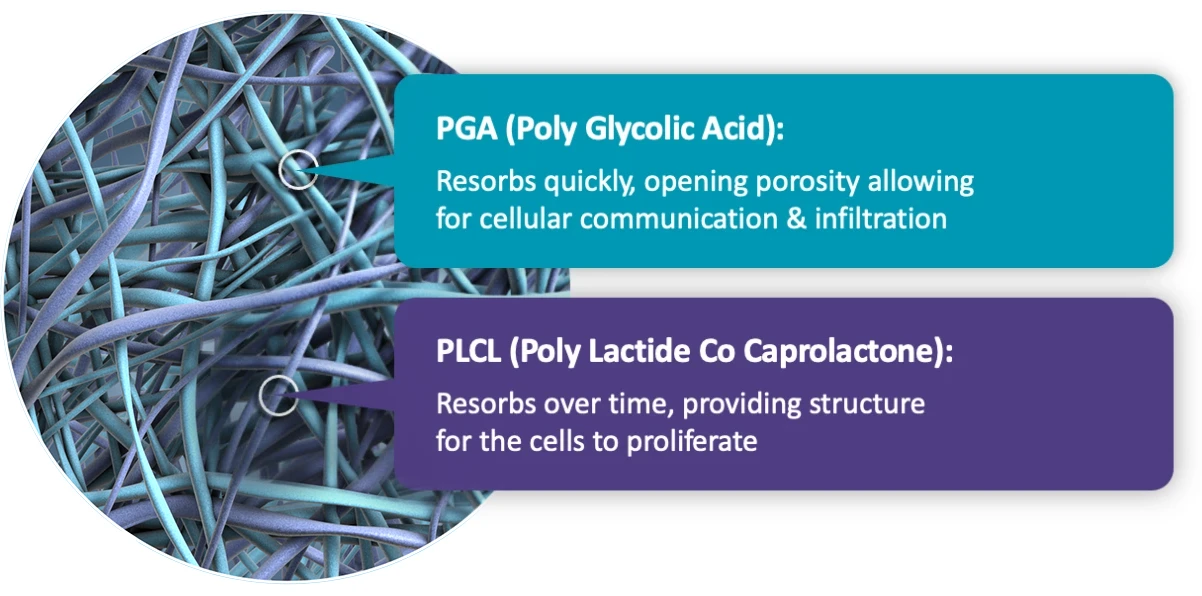
PGA (Poly Glycolic Acid)
Infographic titled “Vital Role of Degradants” with a section labeled “Chemical.” It lists three acids and their wound-healing benefits: Glycolic Acid modulates inflammation, shifts pH to a pro-healing environment, increases fibroblast proliferation and production of collagen and hyaluronic acid, and has antimicrobial properties; Lactic Acid modulates inflammation, stimulates VEGF expression and collagen synthesis to promote reparative angiogenesis, and contributes to the wound-healing cascade; Caproic Acid modulates inflammation and has antimicrobial properties.

Proven Results at the Tendon-Bone Interface
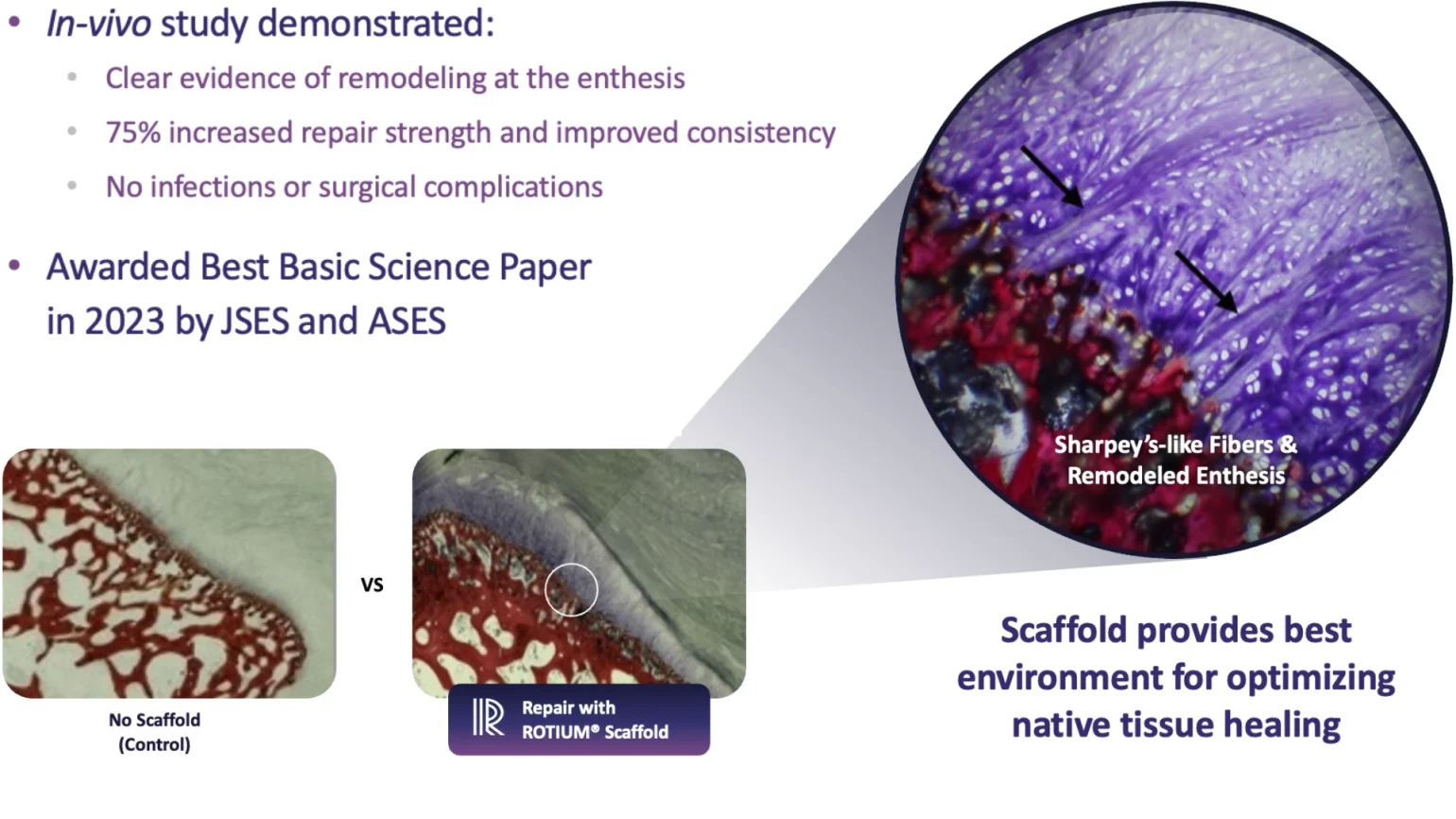
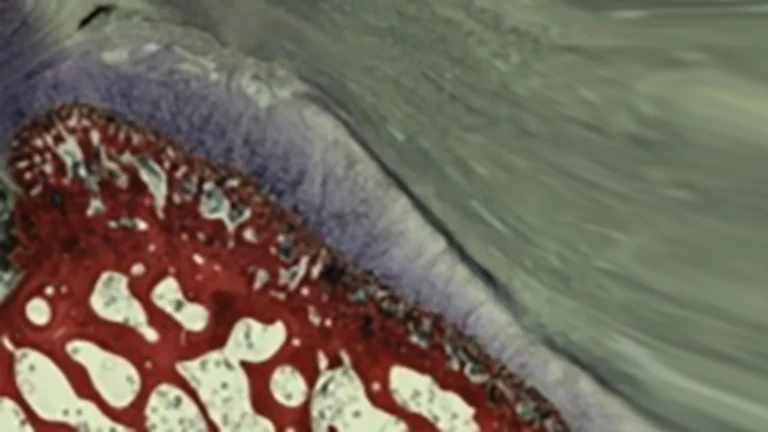
Slide with a light gray background. On the left, purple bullet points read: “In-vivo study demonstrated:” followed by “Clear evidence of remodeling at the enthesis,” “75% increased repair strength and improved consistency,” and “No infections or surgical complications.” Below, another bullet says: “Awarded Best Basic Science Paper in 2023 by JSES and ASES.” At the bottom left are two comparison tissue images. The left image is labeled “No Scaffold (Control).” The right image is labeled “Repair with ROTIUM® Scaffold,” with a small circled area highlighted. The two images are separated by the text “VS.” On the upper right is a large circular magnified histology image in purple and red tones with two black arrows pointing to fiber-like structures. White text inside the circle says: “Sharpey’s-like Fibers & Remodeled Enthesis.” At the lower right, large purple text reads: “Scaffold provides best environment for optimizing native tissue healing.”

Native Tissue Without Scarring

ROTIUM enables the body to remodel the native tendon-bone interface with Sharpey’s-like fibers and organized collagen. The result? Stronger, more reliable healing and reduced failure rates.

Data-Driven Technology
Backed by 17+ years of tissue engineering research and development, our technology is recommended by AAOS Guidelines and supported by compelling long-term evidence

  • Validated benefits across healing, strength, and biology
  • Clinically meaningful reduction in retear rates
  • Consistently improved biomechanical strength
  • Supports biologic remodeling at the tendon-bone interface
  • Resorbs predictably without adverse tissue response
  • Demonstrated benefit in both acute and chronic injury models

Atreon Orthopedics designs synthetic biomaterials that integrate seamlessly with the body’s natural repair process. Our portfolio of Autobiologic™ matrices is engineered to optimize the cellular microenvironment, promote native tissue remodeling and deliver stronger, more reliable outcomes.