



Not Every Healing Challenge Starts at the Surface
Complex wounds often require more than coverage. In trauma, reconstruction, limb salvage, and orthopedic procedures, surgeons frequently encounter tissue loss, dead space, exposed structures, and compromised wound beds that are not ready for grafting or closure.
PHOENIX Wound Matrix® is designed for that challenge: creating a wound environment that supports granulation tissue formation, tissue remodeling, and progression of the healing cascade in complex soft-tissue defects.
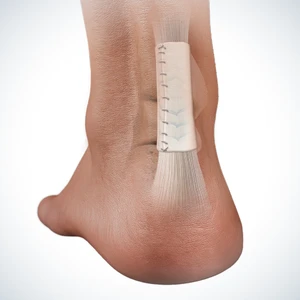
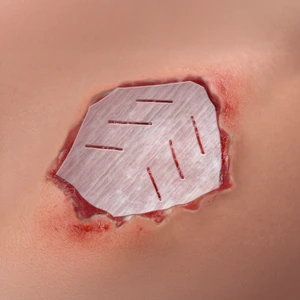
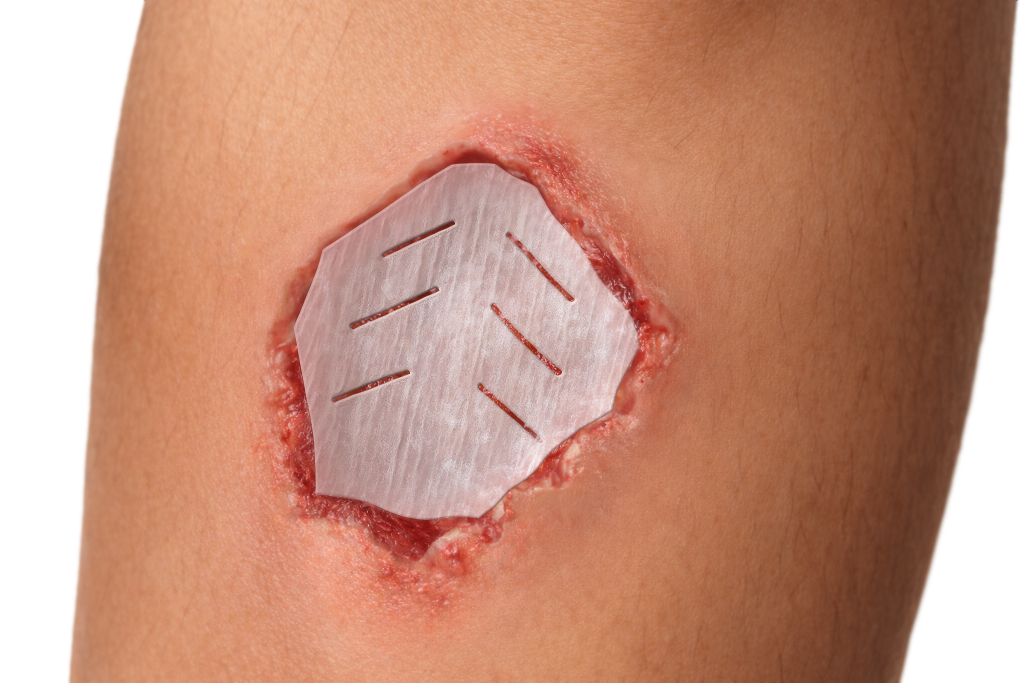
PHOENIX is designed to be both effective and easy to use. The flexible, conformable scaffold contours to complex wound beds and irregular anatomy, helping surgeons achieve contact with the tissue while simplifying application in challenging soft-tissue environments.
A Synthetic Scaffold Designed for the Wound Environment
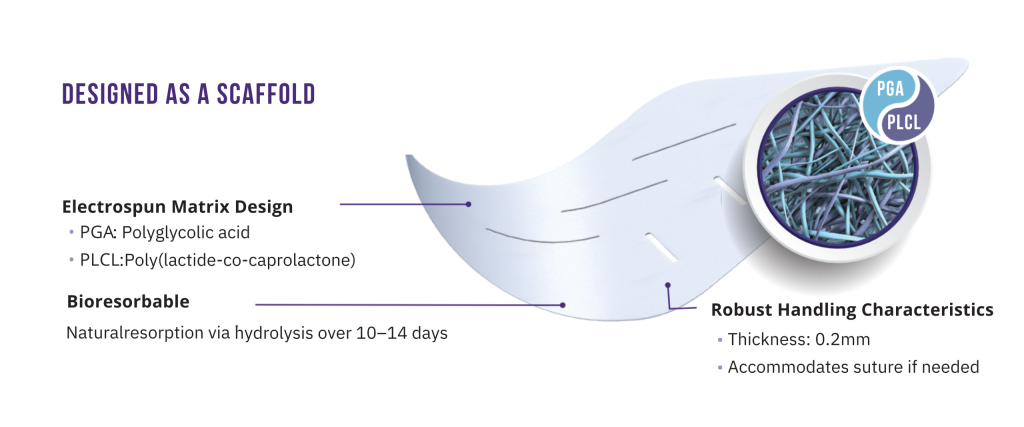
PHOENIX is a 100% synthetic, bioresorbable electrospun scaffold composed of PGA, Polyglycolic acid, and PLCL, Poly(lactide-co-caprolactone) fibers. Its architecture is designed to mimic native ECM, supporting cellular attachment, migration, tissue remodeling, and healthy granulation tissue formation.
This approach reflects a broader shift in wound care. A review of synthetic wound matrices noted that synthetic scaffolds may offer advantages, including consistent composition, handling characteristics, reduced concerns related to tissue sourcing, and biocompatibility with tissue formation. (Lantis, 2023)
Clinical Evidence for Electrospun Synthetic Matrices
The clinical rationale for PHOENIX is supported by published evidence on 3D electrospun synthetic polymer matrices.
In a multicenter prospective case series evaluating 50 complex wounds in 38 patients, investigators reported a mean wound area reduction of 67.6% at four weeks and 80% at eight weeks. By 12 weeks, 66% of wounds had healed, despite a population with significant comorbidities and hard-to-heal wounds. The authors concluded that the matrix appeared to help accelerate stalled healing and contribute to wound closure. (Garoufalis, 2023).
pH, Lactate, and the Microbiome
The science behind PHOENIX also extends to the wound microenvironment.
As the PGA/PLCL scaffold resorbs, the bioactive degradants, glycolic acid, lactic acid, and caproic acid can contribute to a lactate-rich, lower-pH environment. Additional research suggests that lactate may act as a signaling molecule involved in angiogenesis, cellular recruitment, and granulation tissue formation.
Supporting the importance of the wound microenvironment, a SAWC poster evaluating diabetic foot ulcers demonstrated that treatment with a polylactic wound matrix was associated with:
- Reduced wound pH following application
- Significant wound size reduction by week four
- Differences in microbial diversity based on baseline wound pH
These findings reinforce the growing understanding that wound pH influences multiple aspects of healing and suggest that creating a more favorable microenvironment may help support granulation tissue formation and wound progression.
Applications Across Trauma, Reconstruction, and Orthopedics
PHOENIX may be especially relevant when surgeons are managing wounds where the central problem is not surface coverage, but wound bed preparation.
Potential applications include:
- Traumatic soft-tissue loss
- Degloving injuries
- Limb salvage wounds
- Exposed tendon or complex wound beds
- Reconstructive defects requiring granulation tissue
- Orthopedic trauma with compromised soft tissue
- Revision procedures with poor tissue quality (i.e. TKAs or THAs)
PHOENIX is not just a wound care product. It is a reconstructive tool for complex soft-tissue environments where surgeons need to fill tissue deficits, support granulation, and prepare the wound for grafting or closure.
Extending the Concept Into Orthopedic Healing
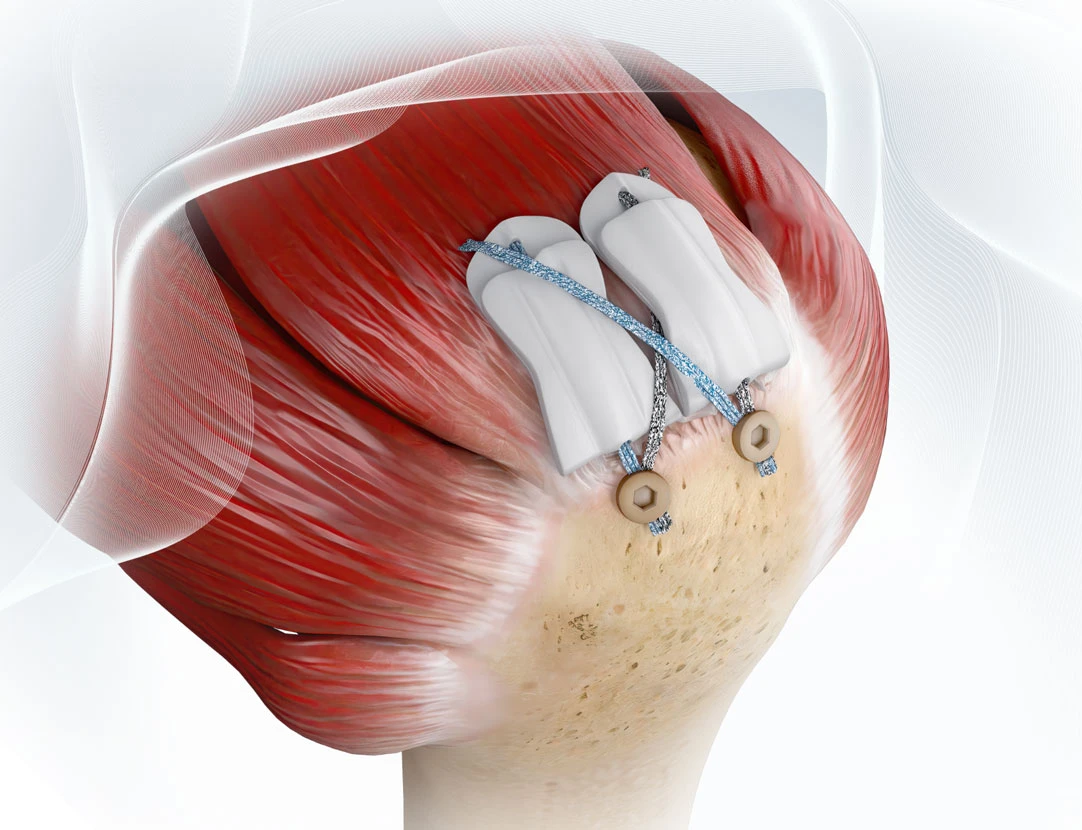
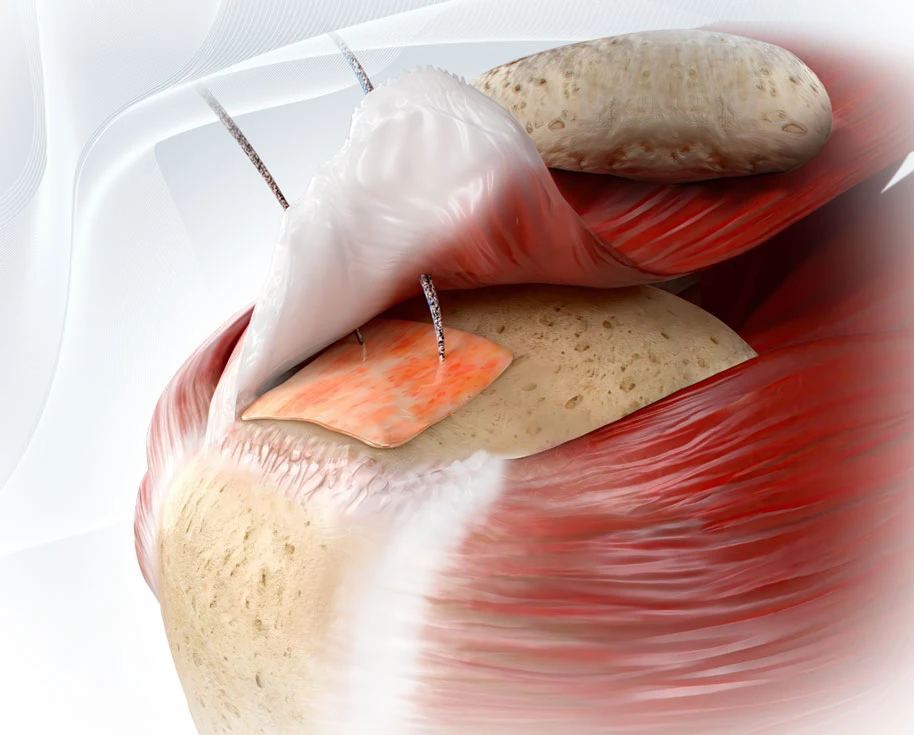
The same biologic principle applies in orthopedic surgery. Surgeons are using Atreon’s scaffold technologies, including ROTIUM, ROTIUM Lo Pro, and BioCharge, when tissue quality is poor, repair durability is a concern, or the biology of healing may need support. Applications include rotator cuff repair, quadriceps and patellar tendon repair, foot and ankle tendon reconstruction, revision total knee arthroplasty, and other soft-tissue challenges.
Rebuilding the Foundation Underneath
PHOENIX brings together electrospun scaffold design, synthetic bioresorbable materials, and microenvironment-focused wound science. Whether managing traumatic soft-tissue loss, preparing a wound for grafting, or addressing compromised tissue in a reconstructive procedure, surgeons are often faced with the same challenge: creating an environment where healing can move forward.
References
- Horn CP, Fierro AL, Lantis JC II. The Shift to Synthetics: A Review of Novel Synthetic Matrices for Wound Closure. Surgical Technology International. 2023;42:1-12.
- Garoufalis, M, Lambert KV, Eckert K, Aviles, Jr F, Schilling, R et al. Efficacy of a 3D Electrospun Synthetic Polymer Matrix on Hard-to-Heal Wounds. Surgical Technology International. 2023.
- Tabchi, S et al. Evaluation of Wound pH, Microbiome Characteristics, and Healing Outcomes Following Treatment with a Polylactic Wound Matrix in Diabetic Foot Ulcers. Poster presented at: Symposium on Advanced Wound Care (SAWC); 2026.
- PHOENIX Wound Matrix® Instructions for Use