




AAOS Guidelines, Bioinductive Implants, and the Future of Rotator Cuff Augmentation
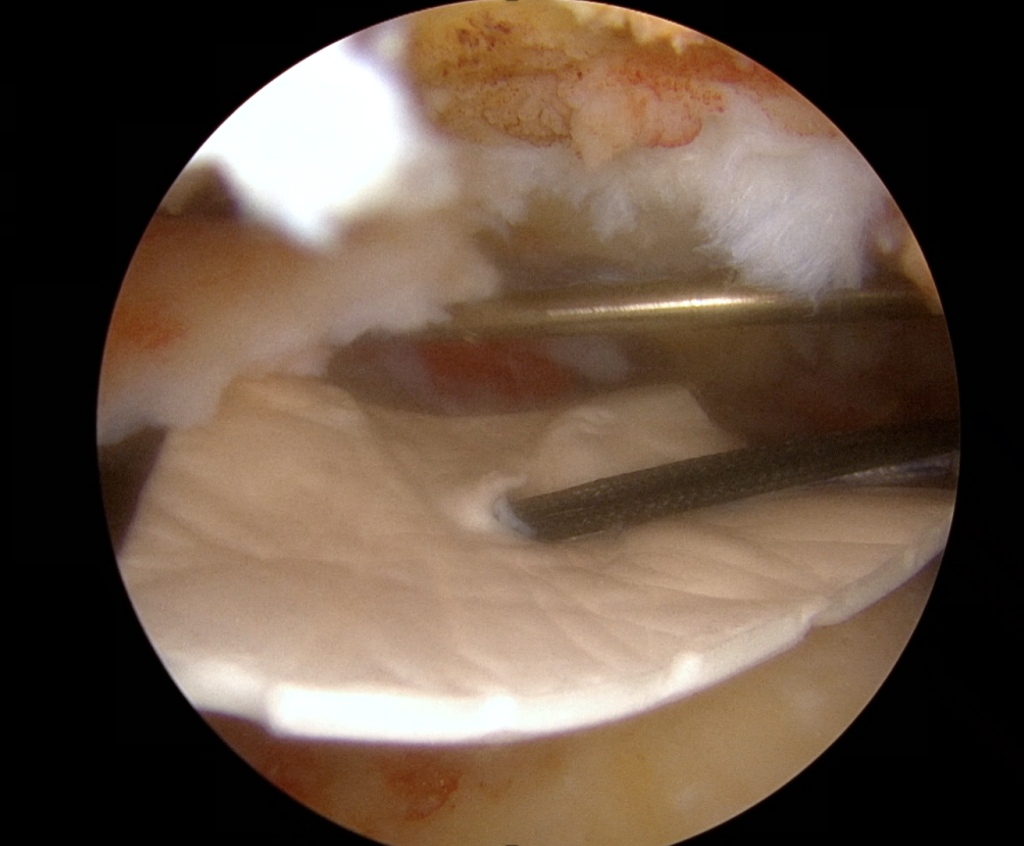
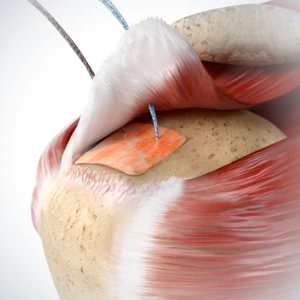
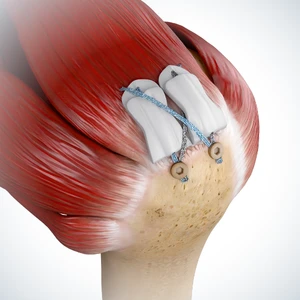
What Changed in the 2025 AAOS Rotator Cuff Guidelines? The 2025 clinical practice guideline update from the American Academy of Orthopaedic Surgeons reflects an evolving approach to rotator cuff repair—one that places increasing emphasis on both mechanical fixation and the biologic environment of healing. The updated guidelines incorporate the latest evidence on surgical and biologic treatment strategies, including augmentation techniques, as part of the broader management of rotator cuff injuries. Rather than focusing exclusively on repair mechanics, surgeons are increasingly evaluating ways to improve healing at the tendon-bone interface, where long-term repair success is ultimately determined. What the AAOS Says About Bioinductive Implants One of the most notable additions to the 2025 guideline is a dedicated recommendation regarding bioinductive implants. According to the guideline: “The use of bioinductive tendon implants to augment rotator cuff repair or as an alternative to non-augmented repair can lead to lower retear rates and better patient-reported outcomes.” The recommendation received: According to the AAOS methodology, a Strong recommendation requires consistent findings from multiple high-quality studies and no compelling reasons to downgrade the evidence. This designation reflects a growing body of clinical literature supporting the role of biologic augmentation strategies in rotator cuff repair. Importantly, the guideline evaluates implants as a category, rather than endorsing any specific product. Outcomes may vary based on patient-specific factors, surgical technique, tear characteristics, and device selection. Why Augmentation Is Gaining Attention Despite advances in arthroscopic repair techniques, retear rates remain a significant challenge in rotator cuff surgery. The AAOS guideline update reflects growing recognition that successful healing depends on more than achieving initial fixation strength. Factors such as tendon quality, vascularity, tissue biology, age, smoking status, and metabolic health all influence tendon-to-bone healing. As a result, augmentation strategies are increasingly being used to support the biologic healing environment while maintaining traditional repair constructs. These approaches are intended to: Defining “Bioinductive” in Rotator Cuff Repair A key concept highlighted in the evolving augmentation landscape is bioinductive technology. A bioinductive implant is designed to: Unlike traditional patches that primarily provide structural reinforcement, bioinductive technologies are intended to support the biologic processes involved in healing. This reflects a broader shift toward regenerative-oriented strategies in orthopedic surgery. Understanding the Different Types of Rotator Cuff Augmentation As interest in biologic augmentation has grown, so has the number of available technologies. A recent review published in the Journal of the American Academy of Orthopaedic Surgeons (JAAOS) categorized augmentation strategies based on both their function and placement within the repair construct. According to the review, augmentation grafts generally fall into three categories: biologic, structural, and hybrid augmentation. The review specifically identifies ROTIUM® Bioresorbable Wick as an example of a biologic augmentation technology. In contrast, dermal allografts are generally classified as structural augmentation, while certain composite scaffold systems are considered hybrid solutions. Interpositional vs. Onlay Implants The JAAOS review also highlights an important distinction in how augmentation technologies are applied during surgery. Most commercially available bioinductive implants are onlay devices, meaning they are placed on top of the repaired tendon after the repair has been completed. By contrast, ROTIUM® is described as an interpositional scaffold, placed directly between the tendon and bone at the tendon-bone interface, also known as the enthesis. The review notes that interpositional grafts are designed to provide biologic support directly at the site where healing occurs and may offer the theoretical advantage of concentrating biologic factors at the tendon-bone interface. Why the Enthesis Matters One of the central challenges in rotator cuff repair is restoring the enthesis—the specialized tissue interface where tendon attaches to bone. The JAAOS authors describe biologic healing at the tendon-bone interface as a critical factor influencing long-term repair success. Healing failures may occur even when fixation remains mechanically intact, particularly when biologic conditions are suboptimal. How Atreon’s Technology Aligns with Bioinductive Principles Atreon Orthopedics has developed a platform of bioresorbable synthetic scaffolds designed to support the biologic environment during tendon repair. ROTIUM® Bioresorbable Wick ROTIUM® is an interpositional scaffold placed at the tendon-bone interface and designed to: The JAAOS review describes ROTIUM® as a fully synthetic biologic augmentation scaffold designed to function as a biologic “wick,” promoting retention of blood and biologic factors directly at the site of tendon healing. Unlike collagen-based implants, ROTIUM® is composed entirely of synthetic materials and is specifically designed for interpositional placement at the tendon-bone interface. BioCharge® Autobiologic Matrix BioCharge® is a bursal-side scaffold designed to: These technologies are intended to support the biologic environment during tendon repair while integrating into established surgical workflows. A Broader Shift Toward Biologic Healing The AAOS guideline update and recent literature reflect an important evolution in rotator cuff repair: From fixation alone toward integration of biologic and mechanical strategies As evidence continues to emerge, augmentation technologies that support healing biology may play an increasingly important role in surgical decision-making. For surgeons, the updated guidance reinforces the importance of considering both mechanical and biologic factors when planning rotator cuff repair, particularly in: For health systems and ambulatory surgery centers, augmentation strategies may support efforts to: Conclusion The 2025 AAOS Clinical Practice Guideline marks an important milestone in the evolution of rotator cuff repair. With a Strong recommendation supported by High-quality evidence, bioinductive implants are now firmly established within the evidence-based discussion surrounding augmentation strategies. At the same time, emerging literature continues to highlight the importance of understanding how different augmentation technologies function—whether through biologic, structural, or hybrid mechanisms. As surgeons seek to optimize healing at the tendon-bone interface, technologies designed to support the biologic environment are likely to remain an important area of innovation and clinical interest. Atreon’s scaffold platform reflects this direction, with technologies designed to support healing at the enthesis and throughout the tendon repair continuum. Regulatory Note ROTIUM® and BioCharge® are medical devices intended for use by qualified healthcare professionals. In the United States, these devices are FDA-cleared for their intended uses. Always refer to the product Instructions for Use for complete indications, contraindications, warnings, and precautions.