




Healing the Biologic Gap: How Synthetic Scaffold Augmentation is Reshaping Rotator Cuff Repair
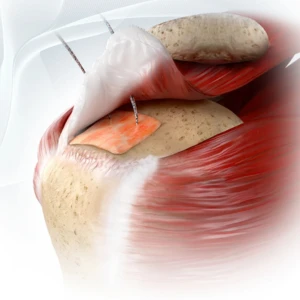
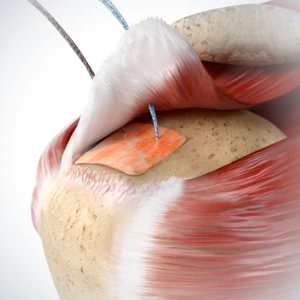
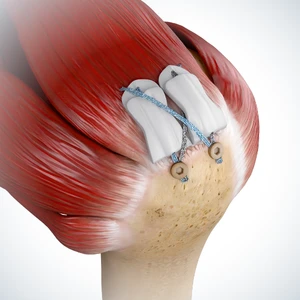
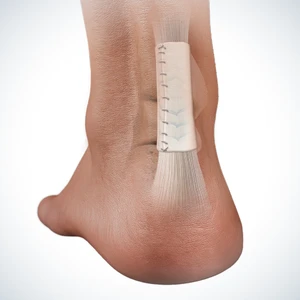
Insights from JBJS Reviews Rotator cuff repair remains one of the most challenging orthopedic procedures, with retear rates reported as high as 80% in certain high-risk patients. A recent review in JBJS Reviews (Hoffmeister et al., 2025) underscores a critical issue: despite advances in surgical fixation, the biologic healing of tendon-to-bone interfaces remains suboptimal. The Persistent Challenge: Healing at the Enthesis The article highlights that after rotator cuff repair, the native fibrocartilaginous enthesis fails to regenerate. Instead, weaker scar tissue forms, leaving the repair biomechanically inferior and vulnerable to failure. Factors such as poor vascularity, fatty infiltration, tendon retraction, and patient comorbidities (e.g., diabetes, smoking) further diminish healing potential. Hoffmeister et al. emphasize rotator cuff augmentation techniques as a promising solution. Growth factors, platelet-rich plasma (PRP), and scaffold implants have all shown potential to enhance the healing environment, particularly in large tears or revisions. ROTIUM®: Addressing the Biologic Gap This is precisely where ROTIUM® Bioresorbable Wick from Atreon Orthopedics fits into the narrative. Designed as an interpositional scaffold placed at the tendon-bone interface, ROTIUM supports the body’s natural healing cascade by wicking and retaining the patient’s own biological factors (e.g., blood, growth factors) directly at the enthesis. This creates an optimized environment for cellular infiltration and tissue remodeling. Key attributes that make ROTIUM an ideal solution: A Versatile Solution Across Tendon Repairs With its 14,000+ rotator cuff repair cases performed, ROTIUM’s expanded indication for use now opens the door for a wide range of tendon repairs beyond the shoulder—including elbow, knee, ankle, and hip tendons. This versatility underscores its value as a platform technology for enhancing healing wherever tendon-to-bone integration is critical. Why It Matters The aforementioned article concludes that a patient-specific approach to augmentation is essential. Scoring tools such as the Rotator Cuff Healing Index (RoHI) and its modified version (m-RoHI) are increasingly used to predict healing potential and identify patients at high risk for repair failure (Jackson et al., 2022). For patients with elevated RoHI scores, augmentation becomes a key consideration to enhance biologic support and improve outcomes. Atreon’s platform technology, with both ROTIUM® and BioCharge® in play, empowers surgeons to make that decision confidently, offering biologic support precisely where healing challenges are greatest. As the orthopedic community continues to embrace biologic augmentation, Atreon is setting a new standard for tendon repair, not just for stronger repairs early, but for better outcomes long term. Learn more about ROTIUM® and how it supports the healing cascade in rotator cuff and other tendon repairs: atreonortho.com/products-technology/rotium-bioresorbable-wick Contact us to schedule a demo or request clinical data: atreonortho.com/contact-us References: